What's Actually on the Shelf: A First-Timer's Walk Through Thanet's Food Shares and Pantries

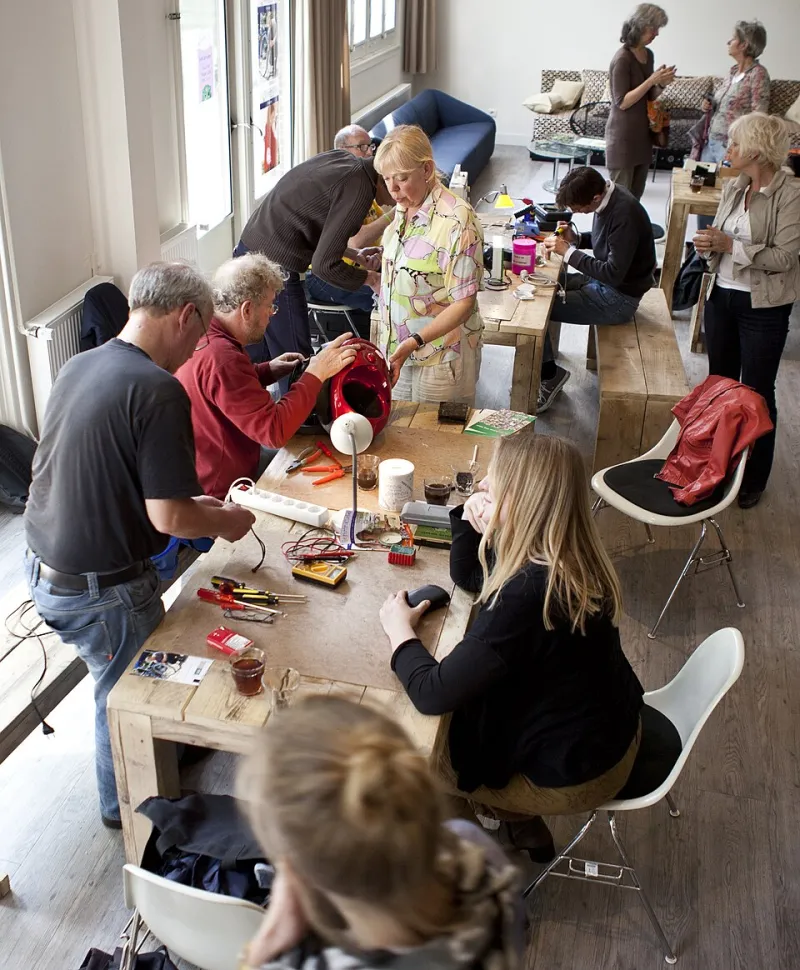
Photo: community fridge volunteers sorting donated fresh food in a church hall UK, via homesight.org
You can walk into a community fridge in Thanet without a referral, a form, or a reason. That sentence surprises people more than it should, and it's usually the point at which someone stops hovering by the door and actually goes in. There is no test. Nobody weighs your circumstances. The food is there because shops, growers and households had more than they could use, and the sensible thing to do with surplus is to let somebody eat it.
So this is a plain walkthrough of the different things operating across the island — what they are, what they aren't, and how to use them without that particular brand of British awkwardness that makes people drive past a free loaf out of sheer politeness.
First, the difference between a food bank and a food share
These get muddled together constantly. A food bank, run by the Trussell Trust network, churches and other charities, usually works on a referral from a GP, school, council team or advice agency. It's designed for a crisis: a few days of emergency food while something gets sorted.
A food share, community fridge or low-cost pantry is a different animal. Most need no referral at all. Some charge a couple of pounds a week for membership. Others are simply open shelves with a sign saying help yourself. They're aimed at stretching a weekly shop, cutting waste, and taking the sharp edge off a tight month — not at assessing whether you qualify as needy enough.
Community fridges: the simplest version
The community fridge model is exactly what it sounds like. A fridge, a freezer, sometimes some shelving, and a rota of local people keeping it clean and stocked. Businesses with short-dated stock drop it off; neighbours bring the glut of courgettes from the allotment; anyone can take what they'll use.
The rules are usually short and posted on the wall: take what you need, leave what you can, mind the dates, and don't take the mickey. That last one is unwritten but understood.
You'll find community fridges attached to church halls, community centres and a few cafés across the Thanet towns, with new ones tending to appear and a few pausing when their volunteers move on. Because of that churn, it's worth checking current times rather than relying on an old social post. A quick look at the Community Fridge Network map, a phone call to the venue, or a question in a local Facebook group will get you the up-to-date version faster than anything printed.
What's on offer is genuinely variable. One week it's bags of salad and a crate of yoghurts; the next it's bread, potatoes and nothing else. Go in with a flexible plan rather than a shopping list in mind.
The low-cost pantries and £5 bags
A pantry (sometimes called a food club or food hub) sits between a shop and a food bank. You join, often for a small annual or weekly fee, and then buy a bag or a set number of items at a price well below retail. Some charge around £3 to £5 for a bag that would cost considerably more at the till.
What makes these worth knowing about is the predictability. A community fridge is a lucky dip; a pantry tends to have a steadier supply, often via FareShare or supermarket surplus arrangements, and sometimes lets you choose items rather than being handed a fixed bag. That matters if you're cooking for a family with opinions.
Most pantries ask you to book a slot or turn up in a set window, and quite a few are run out of church halls and community buildings in Margate, Ramsgate, Broadstairs and the villages. Ring ahead the first time. It saves a wasted trip and lets whoever's on the rota tell you honestly what they've got.
Surplus apps and the shops themselves
Alongside the organised schemes, two apps do a lot of quiet work locally. Olio connects neighbours and businesses giving away food that would otherwise be binned — you reserve it, then collect from a doorstep or a shop at an agreed time. Too Good To Go sells discounted 'magic bags' from cafés, bakeries and takeaways at the end of the day.
Both are worth a look if you're comfortable with a bit of unpredictability and a smartphone. Neither is a substitute for a proper pantry if money is genuinely tight, because you can't plan meals around what a bakery has left at 5pm. But as a way of adding a few fresh bits to the week for very little, they work.
What a first visit is actually like
You'll probably arrive and find someone restocking a table. They'll look up, say hello, and ask if it's your first time — because they can tell. If you mumble something about being fine actually, they'll nod and leave you to it. That's the standard response, and it's meant kindly.
Bring a bag. Bring two. Ask what the dates are like and whether anything needs using first. Nobody will ask why you're there, and if someone does ask a nosy question, that's their failing, not yours.
The awkwardness bit
Here's the honest version: the hardest part is the first ninety seconds. Most people who run these schemes have heard every variation of 'I feel like I'm taking from someone who needs it more', and they'll tell you the same thing — the food is already out of the supply chain. If it isn't taken, it goes in a bin. Your taking it is the point of the whole operation.
If it helps, go with a neighbour. Plenty of people do their first visit in pairs.
If you'd rather be on the other side of the table
Every one of these schemes runs on volunteers, and most are permanently short. Typical jobs: collecting surplus from shops in the morning, weighing and logging stock, checking dates, cleaning fridges, setting up tables, making tea, and driving between venues if you've got a car and a spare hour.
You don't need experience. You do need to be reliable, because a fridge with no one to open it is just a fridge. Community fridges and pantries also tend to be relaxed about hours — an hour a fortnight genuinely helps. Approach the venue directly, or ask at your nearest one what they're short of; the answer is usually drivers and Thursday mornings.
Two things worth knowing before you go
First, check the opening times on the day, not from a screenshot. Small schemes change hours with the seasons and the volunteers' availability. Second, if you're struggling with money more broadly rather than just the food shop, a food share is a good doorway to something more useful — most are staffed by people who know exactly where the free debt advice, the council tax reduction forms and the fuel vouchers live, and they'll point you at them without a lecture.