Fix First, Bin Later: A Practical Thanet Guide to Repairers, Menders and Volunteer Fixers
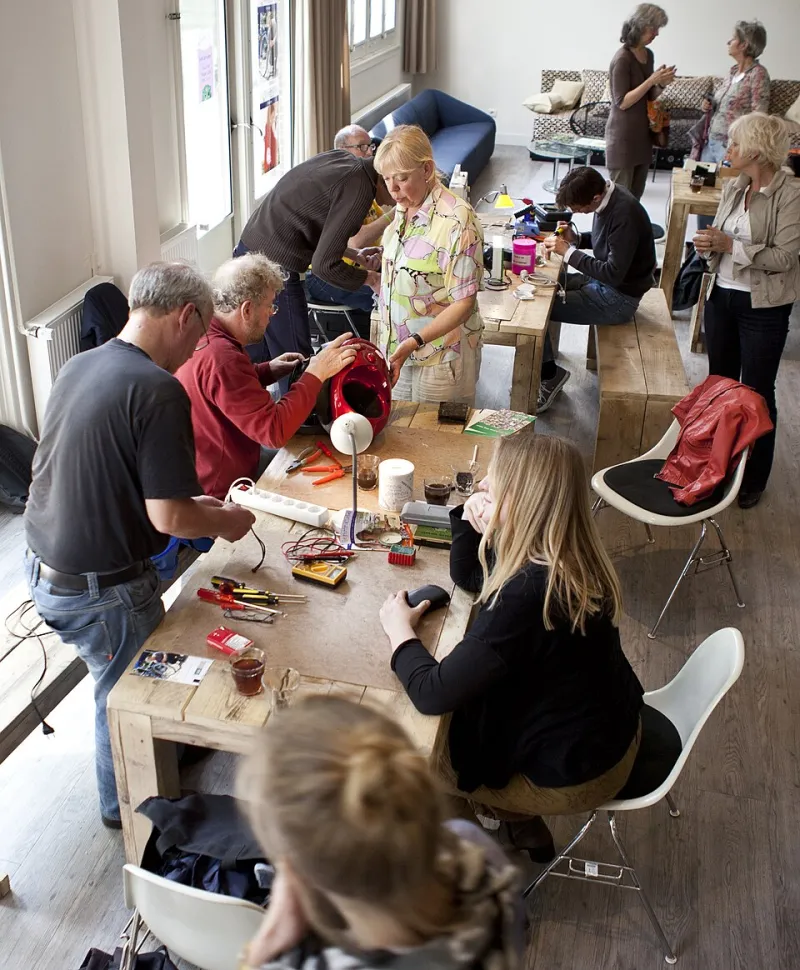
Photo: Ilvy Njiokiktjien, CC BY-SA 3.0, via Wikimedia Commons
Thanet has always had a make-do-and-mend streak. You can see it in the sheds, the sewing boxes and the bike racks. But somewhere between cheap kettles and free next-day delivery, a lot of us got out of the habit of asking whether something could be fixed. In 2026, with repair cafés, volunteer fixers and high-street menders still quietly working away, it is worth checking before you bin.
This is not a lecture about landfill. It is a practical guide to the sort of places that can give a household item another life — and the honest questions to ask before you set off.
First, the worth-it test
Not everything should be repaired. If a electrical item smells of burning, has exposed wires or has had water inside, do not plug it in and do not take it to a volunteer. Safety comes first. For everything else, run through a few simple questions.
Is it a simple fault? A kettle that will not switch on, a zip that has jumped its teeth, a bike brake that rubs — these are often fixable. Is the part available? Some modern appliances are sealed in ways that make a £15 repair into a £60 puzzle. Would you miss it? Sentimental value counts, but so does the cost of a replacement. A good rule of thumb: if the repair is likely to cost more than half the price of a decent replacement, pause and get a quote first.
And remember the 24-hour rule. Put the broken thing in a box or a corner, not the bin. Most of us bin on impulse. A day later, the answer is often clearer.
Where to find a repair café in Thanet
Repair cafés are volunteer-run sessions where you bring a broken item, sit with someone who knows their way around a screwdriver, and learn as they look at it. They pop up in church halls, community centres and libraries across Margate, Ramsgate, Broadstairs, Birchington and the villages. Dates vary, so it is always worth checking a local noticeboard or searching for the current Thanet Repair Café listings rather than turning up on spec.
What is it like? Usually friendly, slightly chaotic and full of people carrying lamps. You will normally be asked to stay with your item rather than drop it off. That is part of the point — you see what is wrong and you might manage it yourself next time. Most sessions ask for a small donation, often £3 to £5, and they will tell you honestly if they cannot fix something. They are not a free shop repair service, and they cannot guarantee parts.
Libraries and community hubs sometimes run one-off repair events too. Keep an eye on the windows and the newsletters. If you are on a street WhatsApp group, that is often where the next date appears first.
The high-street menders who are still there
Not every repair needs a volunteer. Thanet still has working menders on its high streets, even if they are easier to miss than the charity shops.
Cobblers and key cutters in Margate, Ramsgate and Broadstairs can often replace a zip, stitch a bag strap or patch a boot. Sewing and alterations shops are good for hems, curtains and coat repairs — though if the coat is a heavy winter one, ring first to check they have the right machine and needle. Bike shops across the area will sort punctures, gears, brakes and cables, and some offer a basic safety check. Phone and tablet repair shops can replace screens and batteries, which keeps a working device out of the drawer for another couple of years.
For small electricals, it is more hit and miss. Some independent TV and appliance shops still do repairs or know someone who does. The trick is to ring ahead with the make and model, describe the fault, and ask for a rough price before you carry a microwave across town.
What to bring, and what to leave at home
Bring the whole item, not just the broken bit. Bring the charger or power lead if it has one. Bring the manual if you still have it, and any spare parts you have already bought. For a bike, bring the bike and a lock. For clothing, make sure it is clean — volunteers should not have to deal with last week's washing.
Leave at home anything that is unsafe, leaking or likely to be a health hazard. And bring patience. Repairs take longer than buying new. That is rather the point.
What it costs
Repair café: usually a small donation, often £3 to £10. High-street cobbler: a zip replacement might be £15 to £30, depending on the item. Bike service: £20 to £45 plus parts, though a simple puncture is much less. Sewing alteration: often £10 to £20 for a straightforward job. Small electrical repair: variable, and sometimes not worth it.
Ask for a quote before work starts. A good mender will not be offended. If the quote is close to the price of a new item, you can say no and take it home. Nobody minds.
The small right-to-repair wins
Right-to-repair rules have made some spare parts easier to get than they used to be, but they have not solved everything. The practical wins are smaller and more local: a replaceable battery instead of a sealed one, a standard screw instead of a glued case, a repair manual that is actually findable online.
When you are buying something new, ask yourself whether it can be fixed. Keep the receipt. Keep the manual. If a neighbour is about to bin a lamp with a good cable, ask if you can have it for parts. Share tools. Tell people when a mender does a good job.
That is how a repair map actually works in a place like Thanet. It is not a printed poster on a wall. It is a hundred small conversations between people who would rather see a kettle used for another five years than replaced by Friday.
So before the bin bag comes out, give it a day. Ask around. Take it to a rail, a counter or a hall. The worst that happens is someone says it is beyond saving — and at least then you know.