A Square of Cork and a Working Phone Number: How Thanet's Noticeboards Still Help
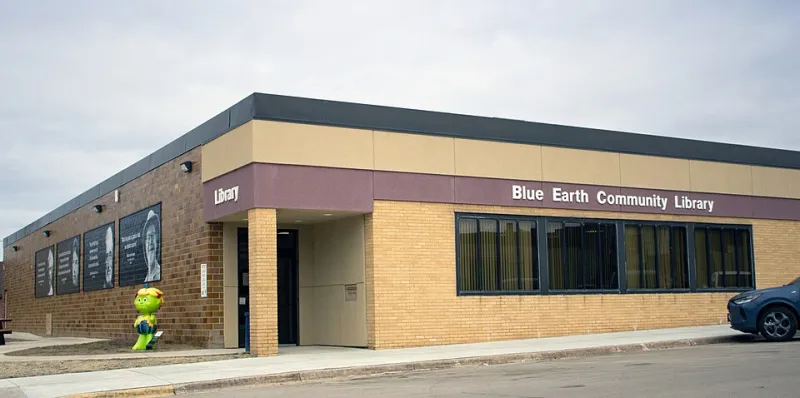
Photo: Myotus, CC BY 4.0, via Wikimedia Commons
Apps are brilliant until they aren't. The group chat goes quiet, the algorithm decides your plea for a plumber is 'low engagement', and your battery dies just as you need a phone number. That's when the humble noticeboard comes back into its own. In Thanet, there are still squares of cork, pinboard and glass-fronted cabinet doing a steady trade in small, local, practical help.
They are not glamorous. They are often behind a door, beside a loo, or half-hidden by a leaflet rack. But they are local, readable and stubbornly useful. You don't need an account. You don't need wifi. You just need two minutes and a bit of common sense.
Where the boards actually are
Start with the libraries. The main libraries in Margate, Ramsgate and Broadstairs usually have a community board somewhere near the entrance or the main desk, and the smaller branches around the villages often have one too. Ask at the counter if you can't spot it. Library staff are used to pointing people towards the right corner.
Community centres are another reliable bet. So are church porches and halls, especially in the villages and older parts of town. Some churches keep a board outside under a little roof; others have one in the porch itself. Shop porches are hit and miss, but corner shops, laundrettes, takeaways and the odd hardware shop still pin up cards for gardeners, cleaners and people with a van. Village halls in places like Minster and Monkton often have a board by the door, usually with a mix of parish notices, exercise classes and a card from someone who fixes lawnmowers.
Some boards are tiny and one card deep. Others are crowded and chaotic, with three layers of paper and a lost cat from October still sellotaped to the frame. Both are worth a look.
What tends to surface, and what doesn't
The boards are best at small, human-scale things. Handymen, gardeners, cleaners, odd-job people, mobile hairdressers, tutors, pet-sitters, people who sew, people who fix bikes. You'll see rooms wanted and rooms offered, free furniture, unwanted appliances, lifts to hospitals, church services, coffee mornings, toddler groups, choir rehearsals and volunteer shifts. Lost pets turn up there too, along with the occasional plea for a spare fridge or a set of drawers.
What you won't usually find is official advice or emergency money. A noticeboard is a starting point, not a Citizens Advice session. If you need help with benefits, debt, housing or a brown envelope, use the board as a signpost to a proper service, not as the service itself. The card might point you to a warm space, a food share or a free advice session, but check the details elsewhere before you rely on them.
Reading a card without getting caught out
Most cards are exactly what they say they are: a neighbour with a van, a retired gardener with time on their hands, someone whose spare room is going begging. But a board is still a public place, and it pays to read it like a grown-up rather than a bargain hunter.
If a job or room sounds too good to be true, it probably is. Be wary of anyone asking for a deposit before you've viewed a room or met the person. Be wary of a mobile number with no local area code, no address and no name, especially if the card uses a generic photo of a van or a house. A real local tradesperson will usually be happy to tell you where they're based, give you a written quote and let you speak to someone they've worked for.
For bigger jobs, ask about insurance. For small jobs, cash is normal, but get a receipt. Never send bank details or a holding deposit to someone you haven't met. If you're viewing a room, take someone with you or tell a friend where you're going. If a card feels off, take a photo of it and mention it to the library or community centre staff. They can't police the board, but they can tell you if a name keeps cropping up.
And when you pin up your own card, don't put your full address or the dates you'll be away. Use the area instead: Cliftonville, Ramsgate, Broadstairs, Westgate. Use a phone number you're happy to have on public display. If you'd rather not use your main mobile, a cheap PAYG SIM or a separate email address does the job.
Pinning your own request
Ask permission first. Some boards are open to anyone; others are reserved for local groups or have a size limit. Keep it short and useful. 'Wanted: small fridge, working, can collect, Ramsgate, this week' tells people everything they need to know. 'Free sofa, clean, must collect from Cliftonville, ring after 6pm' works too. Add the date you pinned it, and take it down when the thing is sorted.
Tear-off tabs are a nice touch if the board allows them, but don't rely on them alone. Put the number on the main card as well. And skip the 'no timewasters' line. It doesn't scare off timewasters; it just makes the card sound tired before anyone has rung.
The bit apps can't do
Noticeboards are slow. That's part of the point. They don't notify you, rank you or sell your data. They sit there and wait for a human to read them. You can see the handwriting. You can ask the librarian whether the card has been there for months. You can bump into the person at the bus stop and say, 'I saw your card about the gutters.'
That's the quiet magic of it. A pin is a prompt. The conversation is the actual support. In a world of endless scrolling, a square of cork with a working phone number is still a very good piece of local infrastructure. Next time you're in the library or the village hall, spend two minutes reading the cards. If you can help, ring. If you need help, pin. Keep it kind, keep it local, and take it down when you're done.