Not Today, Thanks: A Thanet Guide to Doorstep Callers and the Scams That Don’t Shout
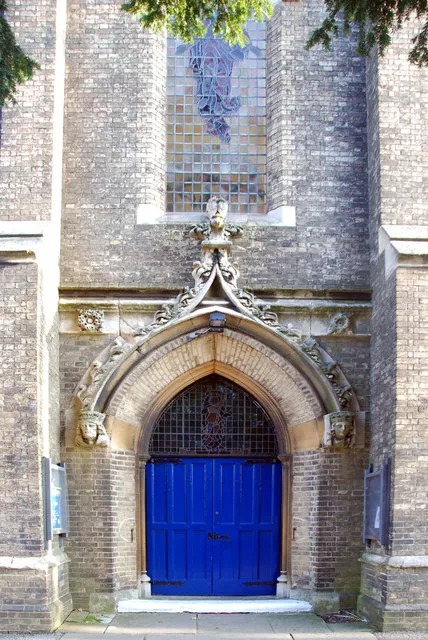
Photo: Chris L L, CC BY-SA 2.0, via Wikimedia Commons
Most people who knock on a door in Thanet are exactly who they say they are: a window cleaner, a charity collector, a neighbour letting you know the water’s off. But a small number are not, and they depend on the rest of us being too polite to ask questions. This is not about turning into a suspicious hermit. It’s about knowing a few phrases, a few checks and a few phone numbers so that a knock at the door stays a small event rather than an expensive one.
The door is yours: phrases that close a conversation without a row
You do not have to be rude. You also do not have to explain your finances, your age or why you are not interested. A closed door is a complete sentence.
These are the lines that work, said calmly and followed by the door:
- ‘I don’t buy at the door, thanks. Please don’t come back.’
- ‘I’m not interested. I’m closing the door now.’
- ‘I never sign anything at the door. Leave a card if you like.’
- ‘I don’t give details to cold callers. Please remove my number.’
- ‘I’ve asked you to leave. I’m calling the police.’
That last one is for the caller who will not take no for an answer. If you feel threatened, ring 999. If someone has gone by the time you are safe, 101 is the non-emergency line.
A few practical habits help. Keep the chain on. Ask for ID and look at it properly rather than glancing at a lanyard. Do not let anyone in to use the toilet, fill a water bottle or ‘just check something’. Genuine callers can wait outside while you fetch a number or make a call. If someone claims to be from the council, a utility company or the police, close the door and ring the organisation on a number you have looked up yourself. Never use the number on the caller’s card.
Before any work starts: the five-minute check
Rogue traders rarely announce themselves. They offer a ‘good deal’ because they are ‘working nearby’, notice a loose tile or a bit of damp, and can start today. The pressure is the point.
Before anyone lifts a ladder, ask for their full name, the trading name of the business, a landline number and a postal address. A mobile number alone is not enough. Ask for a written quote on letterhead, including what will be done, the price and any cancellation rights. Do not pay cash up front. Do not agree to being taken to a bank or cashpoint.
A genuine trader will not mind waiting while you check. You can search Companies House for a limited company, look for TrustMark registration for certain trades, and ring the Citizens Advice consumer service on 0808 223 1133, which can route you to Trading Standards. If someone says the offer expires in ten minutes, that is your answer. It expires.
Also worth knowing: some Thanet roads have No Cold Calling zones. If you are not sure about yours, ask Thanet District Council. And if a caller claims to be a pedlar, they still have to follow the rules; a badge is not a free pass to pressure you.
The scam most people miss: little and often
The dramatic scams get the headlines. The quieter one is a small payment that keeps coming back. It might be a £2 card test, a £4.99 ‘admin fee’, a monthly ‘warranty’ after a job, or a subscription you never meant to start. On its own, it looks too small to bother about. Over months, it adds up, and it is easy to miss on a busy bank statement.
Check your statements for names you do not recognise, especially small amounts and recurring card payments. If you spot one, ring your bank using the number on the back of your card, or use 159, the UK bank fraud hotline. Ask them to stop the payment and cancel any continuous payment authority. Keep a note of what was said and when.
Be wary of letters that look official but ask you to ring a number or visit a website you do not know. Use the number on your own bill or statement instead. The same goes for texts about parcels, tax rebates or unpaid fines. Scams land by post, phone and doorstep; the little ones often land quietly and stay for months.
Who to ring: a plain-English map
- Immediate danger or an aggressive caller at your door: 999.
- Suspicious caller gone, or a non-emergency doorstep concern: 101.
- Rogue trader, pressure selling or unfair trading: Citizens Advice consumer service on 0808 223 1133, which routes to Trading Standards.
- Scam call, text, email or online fraud: Action Fraud on 0300 123 2040 or actionfraud.police.uk.
- Money taken or account compromised: your bank’s fraud line, printed on your card, or 159. Then report to Action Fraud.
- Local doorstep crime concerns or No Cold Calling zone questions: Thanet District Council’s community safety team via the council website or main switchboard.
- Free, impartial local advice: Citizens Advice Thanet.
You do not have to work out which door to knock on first. Ring Citizens Advice or the council and say what happened. They will point you to the right place.
If it is your neighbour
Sometimes the person being pressured is not you. It might be the neighbour who suddenly has three men ‘doing the roof’, who is withdrawing cash in a hurry, or who has become anxious and defensive about a new ‘friend’ who is helping with jobs. Look for a cluster of signs rather than one: unfamiliar callers, post piling up, talk of a deposit, a new trader who always seems to be there, or someone answering for them.
Raise it gently and without an audience. Try: ‘I noticed a few people at the door yesterday. I’m not prying, but I wanted to check you’re OK.’ Or: ‘Would you like me to sit with you while you ring the bank?’ Do not grab paperwork or tell them they have been foolish. Offer a second pair of ears. If you think someone is being financially abused and may lack capacity, contact Kent County Council adult social care.
Kindness is not the same as compliance. You can be a good neighbour and still say ‘not today, thanks’ — and mean it.